
 admin
That wild rollercoaster ride you feel at the casino? Standard deviation explains why your bankroll dances up and down unpredictably, even when the odds are in your favor.
Table of Contents
Sizing a Bankroll for Variance
What Standard Deviation Shows
Standard deviation measures how much your results can deviate from the average outcome in gambling sessions. Imagine you play European Roulette, which has an RTP around 97.3%. Over 100 spins, the average loss might be predictable, but actual results can wildly vary. The catch is, even with a positive expectation, you might lose big chunks due to variance. For instance, if you bet consistently on blackjack tables like Blackjack Classic, you’ll see swings caused by luck, not skill. A standard deviation of 15 units means your wins or losses often jump 15 bets above or below your average. Understanding this metric helps you not mistake bad luck for a flawed strategy.

Swings Around the Average
Variance causes your bankroll to swing dramatically around the expected average – sometimes up, sometimes down. If you’re chasing steady profits but experience a 30% bankroll drop during a streak of losses, it’s not unusual. Casinos with Zimpler vetted by casinos with Zimpler vetted by ZimplerCasinoOnline.com often display games with transparent volatility figures, helping you anticipate these swings. For example, slot titles like Big Bass Bonanza from Pragmatic Play have a high variance, meaning bigger swings than something like Starburst from NetEnt, which sits at low volatility. If you’re unaware, those bankroll drops can feel like a system failure when it’s just variance at play.
Sizing a Bankroll for Variance
Proper bankroll sizing is your buffer against standard deviation’s wild side. Say you want to survive losing streaks in Sweet Bonanza, which has an RTP of 96.51% but high variance. Experts recommend holding at least 100 times your average bet to weather swings safely. For instance, betting $5 per spin means a bankroll of $500 or more. The math isn’t perfect, but having this cushion reduces the risk of ruin. If you’re playing table games like Baccarat with less volatility, the required bankroll shrinks accordingly. It’s a balancing act between risk tolerance and bankroll size – ignoring variance is essentially gambling blind.
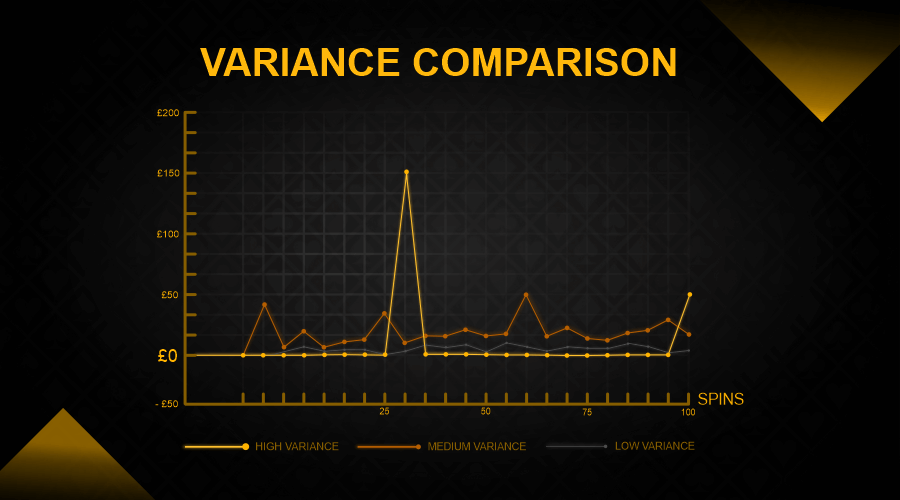
Game Volatility and Risk
Volatility varies widely between games and affects how aggressively you should manage your bankroll. High-volatility slots like Gates of Olympus can deliver massive wins but also long dry spells, whereas low-volatility games like Starburst pay smaller, frequent wins. The visit homepage explains how different game choices shape your risk profile. For example, Evolution Gaming’s live casino tables usually have lower variance compared to video slots, making them ideal for steady bankroll growth. But the catch is lower variance often means lower peak wins. You need to pick your poison: steady growth or the thrill of big swings.
| Game Type | RTP (%) | Volatility | Recommended Bankroll Multiplier |
|---|---|---|---|
| Big Bass Bonanza (Pragmatic Play) | 96.71 | High | 100x average bet |
| Starburst (NetEnt) | 96.09 | Low | 30x average bet |
| Blackjack Classic | 99.5 | Medium | 50x average bet |
| Baccarat | 98.94 | Low | 25x average bet |
| Gates of Olympus (Pragmatic Play) | 96.5 | Very High | 150x average bet |
Surviving the Downswings
Downswings test your patience and bankroll more than anything else. You’ll face losing streaks where your balance dips 40% or more without a win. The key is discipline – don’t chase losses or increase bets impulsively. Many gamblers fail here, blowing their entire bankroll in frustration. Instead, take breaks and reassess your limits. Keeping a cool head during these periods is crucial. Using bankroll guidelines and knowing game volatility helps you predict how long downswings might last. For real-world context, a 50-spin dry spell on Big Bass Bonanza isn’t rare – it’s variance biting hard. If you’re prepared financially and mentally, you’ll outlast these rough patches and keep your edge intact.

